Why these eight molecules
Emotions are not an abstraction. They are physical. Literally: chemical reactions that run through our bodies, drive our behaviour, determine our choices. We are animals, and like all animals, what we call "feeling" is a continuous flow of molecules binding, activating, switching off.
The project starts from this evidence: emotions have a precise molecular structure. We can measure them, translate them, map them.
But the viewer doesn't see the molecule. They see its structural projection in a space of relations — a graph born from the way the molecule folds, arranges, organises itself. Because the molecules we're talking about are peptides, and only peptides have a three-dimensional structure that can become a graph.
The biologist Helen Fisher describes romantic love as three distinct neurochemical systems:
- Desire — the generalised drive that turns the system on.
- Attraction — the focused obsession on one person.
- Bonding — the attachment that turns someone into yours.
Eight molecules are their protagonists. Eight peptides that activate, modulate, sustain or interrupt these emotional states.
They are not images. They are maps. Relations. Structures that emerge from chemistry and become form.
How the graph is born from a molecule is in the Method.

Desire
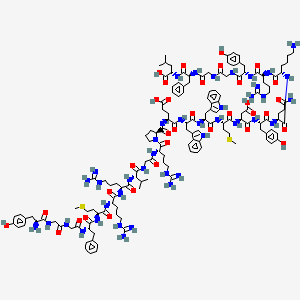
GnRH
The switch. The first signal in the hormonal cascade that activates desire: without this peptide, the system doesn't start.
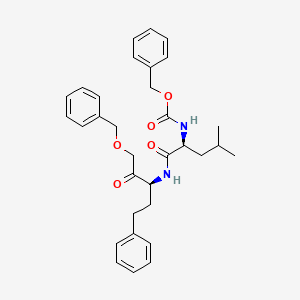
Substance P
The neuropeptide of physical pain and separation pain — the same molecule. Desire and loss run on the same channel.
Attraction
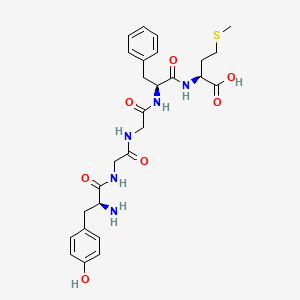
Met-Enkephalin (PC)
The pleasure of physical contact. An endogenous opioid, measured in a neutral membrane.
Met-Enkephalin (Bic)
The same molecule in a different context: the conformation shifts with the environment. Emotions depend on context, not chemistry alone.
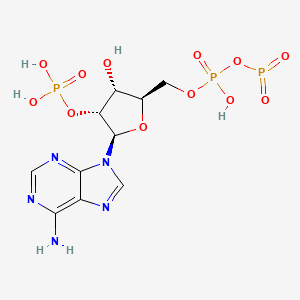
CRF
Butterflies in the stomach: the pleasant anxiety of excitement. The line between stress and excitement is neurochemically thin.
Bonding
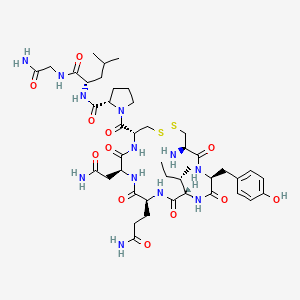
Oxytocin
The hormone of recognition: it turns a stranger into someone of yours. Trust has a molecular structure.
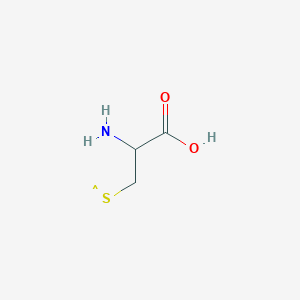
Vasopressin
Nearly identical to oxytocin, opposite effects: territoriality, jealousy, control. The shadow side of bonding.
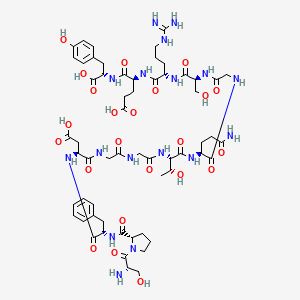
β-Endorphin
Euphoria. An endogenous opioid 30 times more potent than morphine: the feeling that the world has changed.
How the method works
From a molecule to a graph: the statistical pipeline that transforms peptides into networks of relations. The four steps of the process.
Discover →