Emotion in Matter
The works
-
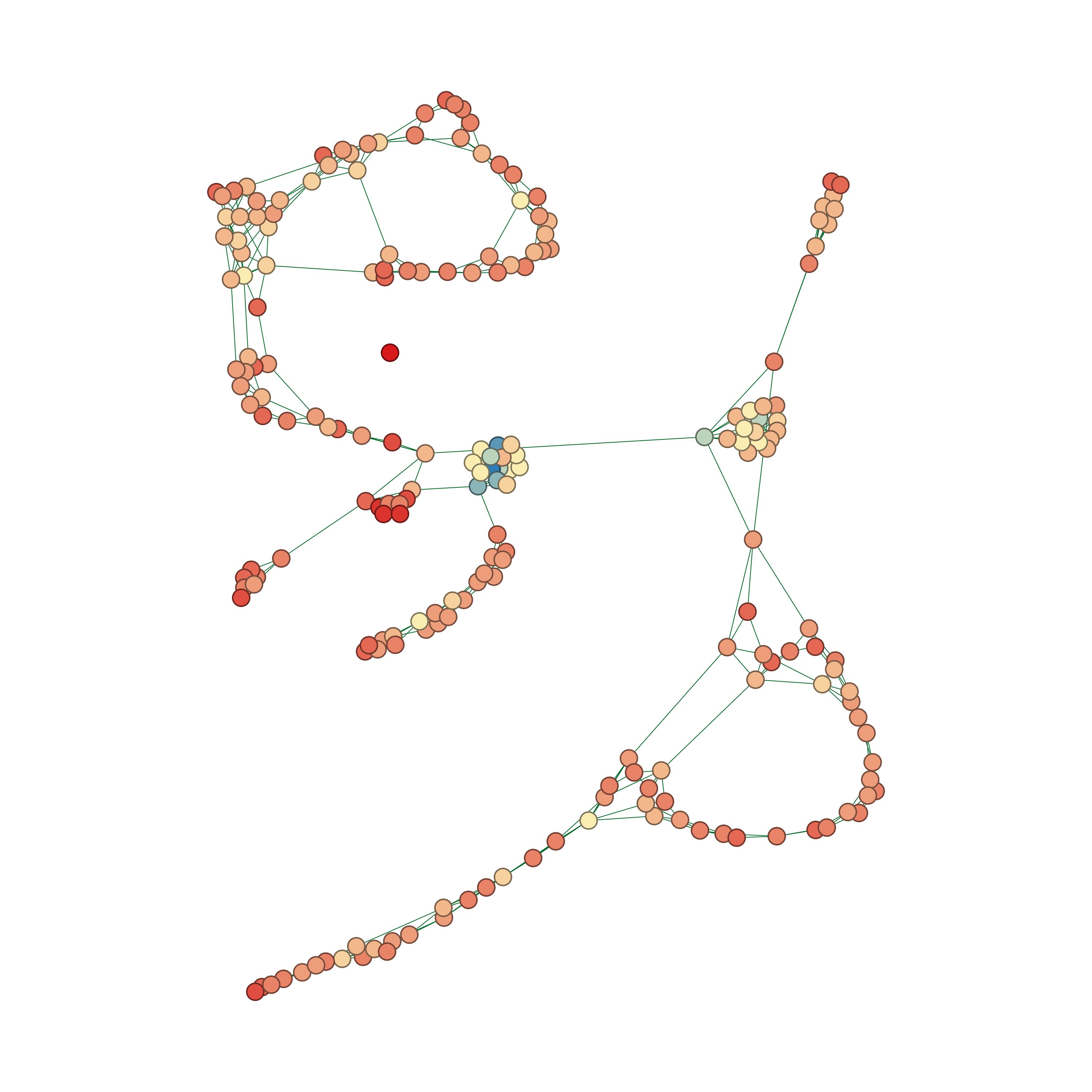
Study on Attraction No. 2 — Angle
-
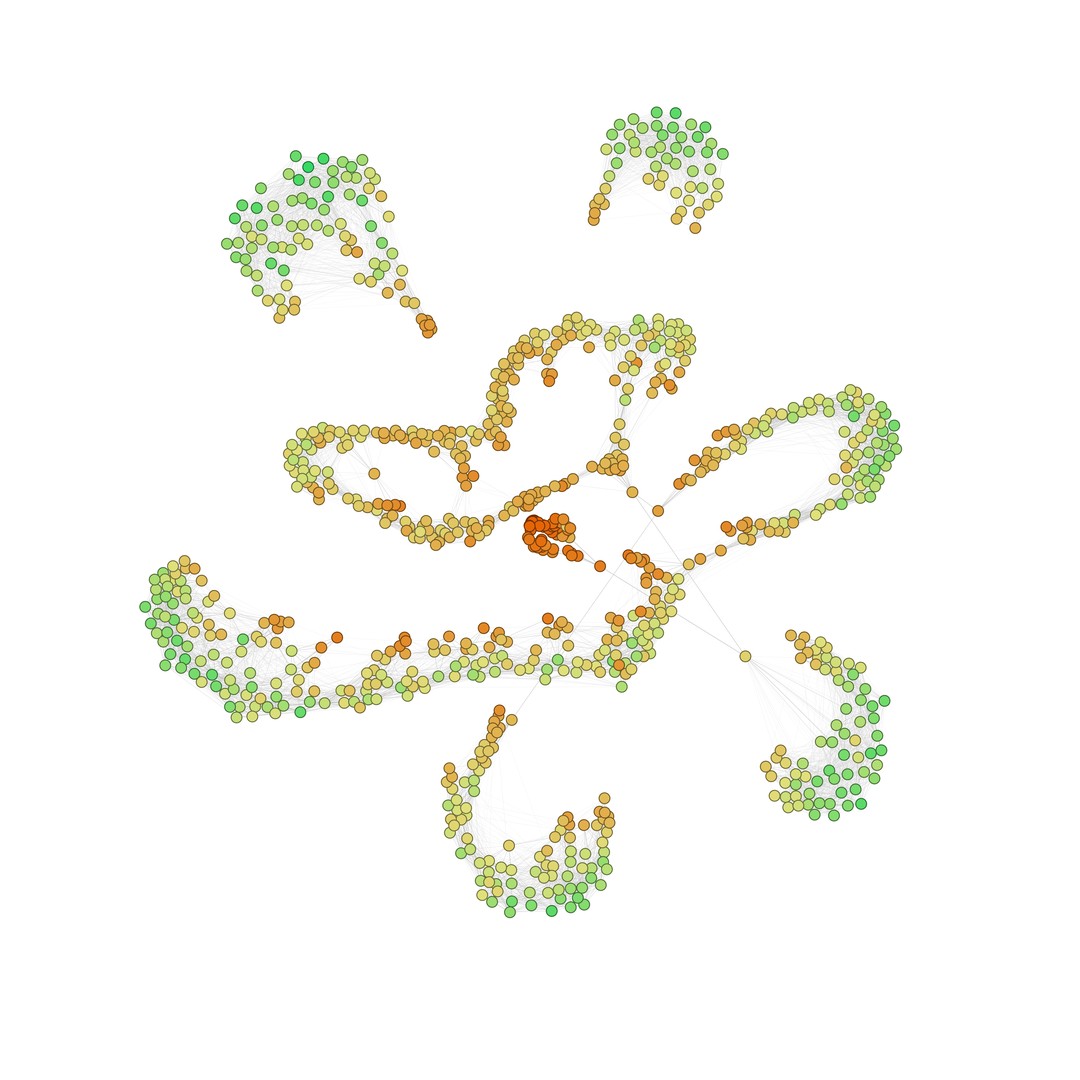
Study on Attraction No. 1 — Shape
-
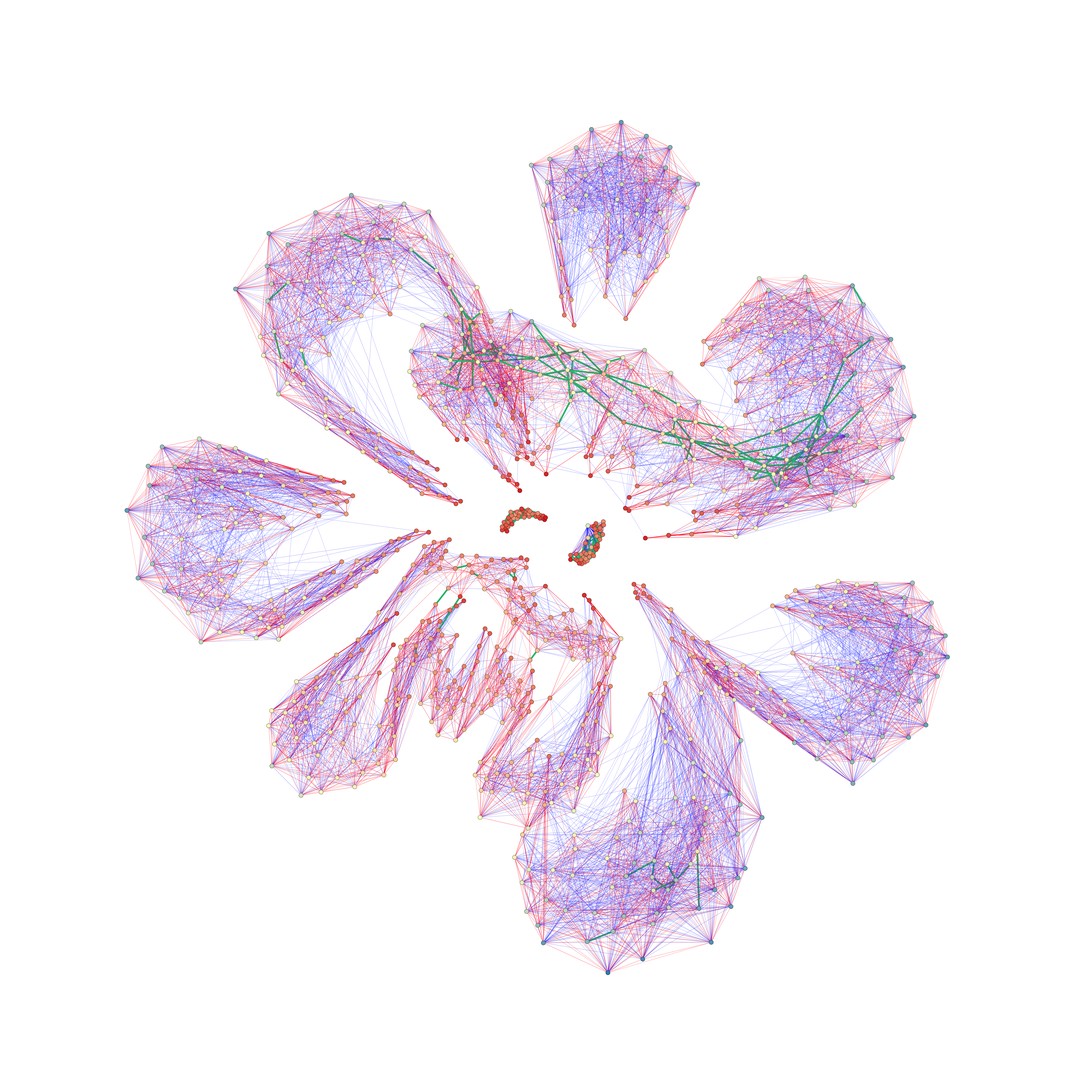
Study on Attraction No. 3 — Shape and Error
-
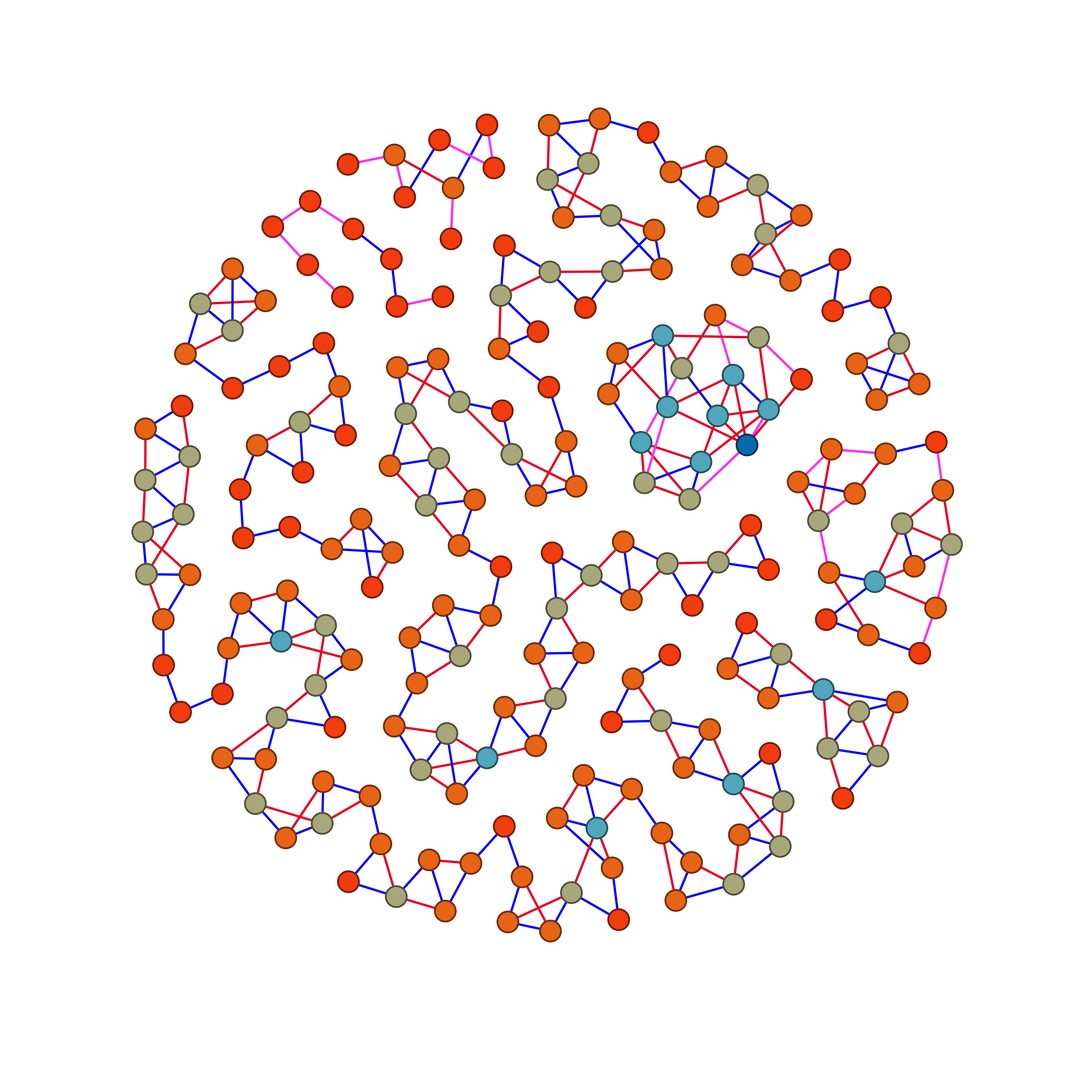
Study on Attraction No. 4 — Angle and Error

What are we?
What if our essence were nothing but a chemical reaction?
What are we, exactly? What are thoughts? Emotions? Bonds?
We are used to thinking of ourselves as a stable identity — a "self" that thinks, feels, chooses. But neurobiology tells a different story.
Thoughts are not abstract entities. They are electrical impulses travelling between neurons, mediated by neurotransmitters that bind to receptors with molecular precision. Every thought is preceded by a chemical reaction.
Emotions are not mysterious energies of the spirit. They are cocktails of peptides and hormones that run through the body — dopamine, serotonin, oxytocin, cortisol — that activate, bind, switch off. Sadness is a drop. Euphoria is a spike. Love is an unstable equilibrium.
Bonds are not ethereal connections between souls. They are neurochemical traces that consolidate with repeated exposure. Oxytocin turns a stranger into someone of yours. Vasopressin draws boundaries and territories. Beta-endorphin creates emotional dependence.
Just change the chemistry and personality changes.
A drug. A trauma. A hormonal imbalance. A neurosurgical intervention. And everything we thought we were — our character, our beliefs, even our memories — transforms. The person we were yesterday no longer exists. Or perhaps never existed.
So: where does chemistry end and the "self" begin?
Perhaps they are the same thing. Perhaps our sense of identity is just the story the brain invents after the reaction has already happened. A necessary illusion. An after-the-fact interpretation of a process that defines us long before we can choose.
We are animals. And like all animals, our "inner world" is made of substances that rise and fall, activate and switch off. The difference is that we tell ourselves stories about what happens. But the story doesn't change the chemistry.
If Loop SpaceTime searches for invisible relations outward, in spacetime, Emotion in Matter searches for them inward: in the biochemistry of feeling. Every molecule of emotion — desire, attraction, bonding — is translated into a graph, a network where meaning doesn't sit in the nodes but in their relations.
From the real structure of molecules (PDB data) to a statistical map of their connections: the same emotion becomes matter, and matter becomes form.
The viewer doesn't see the molecule: they see its structural projection into a space of relations.
How the graph is born from a molecule is in the Method.
The uncertainty of the map
Yet emotions remain elusive.
Humanity has always tried to describe the indescribable. Through art, poetry, philosophy, prayer. We have sculpted gods, written verses, painted skies — always to say what cannot be said, to grasp what slips through our fingers.
We do it with mathematical tools. With models. With estimates. But the gesture is the same: reaching toward something that, by its nature, cannot be captured.
Emotions are subjective realities. They happen inside. They are ours. Untransferable. No one can feel my sadness. No one can experience my love. They exist only in the lived experience of whoever feels them — and in that experience they are whole, total, real.
But humans live in intersubjective realities. We share worlds. We share languages. We share meanings. We build bridges between us — and on those bridges we meet, we tell each other stories, we recognise each other.
Yet the subjective reality of emotions resists this sharing. We can translate them. We can represent them. We can get close. But we cannot transfer them. Not completely. Not entirely.
I perform an estimate. I try to identify the right relations. But errors are always present.
The estimate is an attempt to grasp something that does not let itself be grasped. An approximation of a truth that always remains beyond, always one step ahead. Every estimate carries its margin of uncertainty — a shadow that does not dissolve, a residue that no model can capture.
Chemistry is exact. Experience is not.
Between the molecule and the lived experience there is always a gap. A variance that resists. An error that persists. Not because the translation is wrong. But because reality is not made to be captured. It is made to be experienced.
We cannot reach the truth. We can only get closer.
Every map is a reduction. Every model is a simplification. Every graph is a translation, not a photograph. A projection, not a replica.
And perhaps this is what makes us human: not the ability to grasp, but the will to try. Not the precision of measurement, but the beauty of the attempt.
Error is not a flaw. It is a sign. The sign that we are searching. That we are trying. That we are alive.
The project does not claim to bridge this gap. It puts it on display. Every graph is a gesture — human, imperfect, probabilistic — to make visible what by its nature remains invisible.
Humanity has always tried to capture the uncapturable. We do it with mathematics, with graphs, with estimates. But the gesture is the same as those who write a poem, who paint a sky, who pray to a god:
Reaching toward the unknown. And accepting that we will never fully arrive.
How the method works
From a molecule to a graph: the statistical pipeline that transforms peptides into networks of relations. The four steps of the process.
Discover →