Study on Attraction No. 4 — Angle and Error
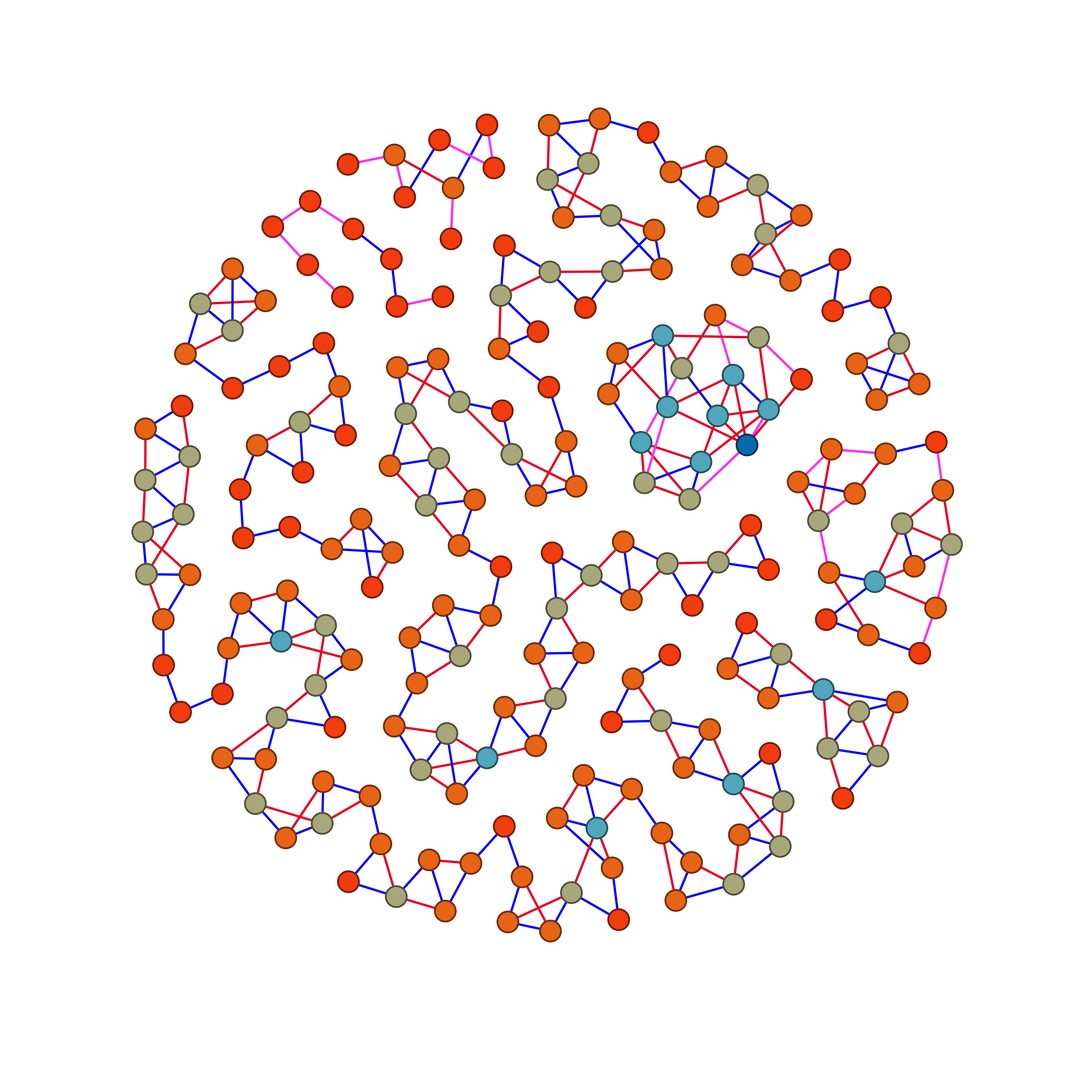
The atom doesn't decide. The angle does.
Matter doesn't have a single shape: it holds many, possible ones, waiting for an angle to choose on its behalf. Folded one way, it becomes a passage — it lets through, recognises, unites. Folded another way, it becomes a closed threshold — it holds back, isolates, resists. Bridge or wall: the same substance, two opposite destinies, decided by a single degree of rotation.
Perhaps love, too, is not a fixed substance, but a shape: something that happens when distant angles fold together, in synchrony, without ever touching.
The molecules involved in this phase are covered in the Method.
But between what happens and what we see happening, a gap remains. Every estimate is a gaze that observes: and like every gaze, it adds and it removes. It adds edges that don't exist, projecting onto what it sees a little of itself — these are the ghosts, the bonds we wish to find more than the ones we actually find. And it removes edges that do exist, because no single gaze can perceive everything — these are the shadows, what truly happens but stays outside our field of view.
It is the same distance that separates the real from the shared from the perceived: what is true in itself, what two gazes recognise together, and what a single gaze projects — sometimes too much, sometimes too little.
Even looking is folding into an angle. And every gaze, in folding, decides what becomes a bridge, what remains a wall, and what — simply — it does not see.
The works
-
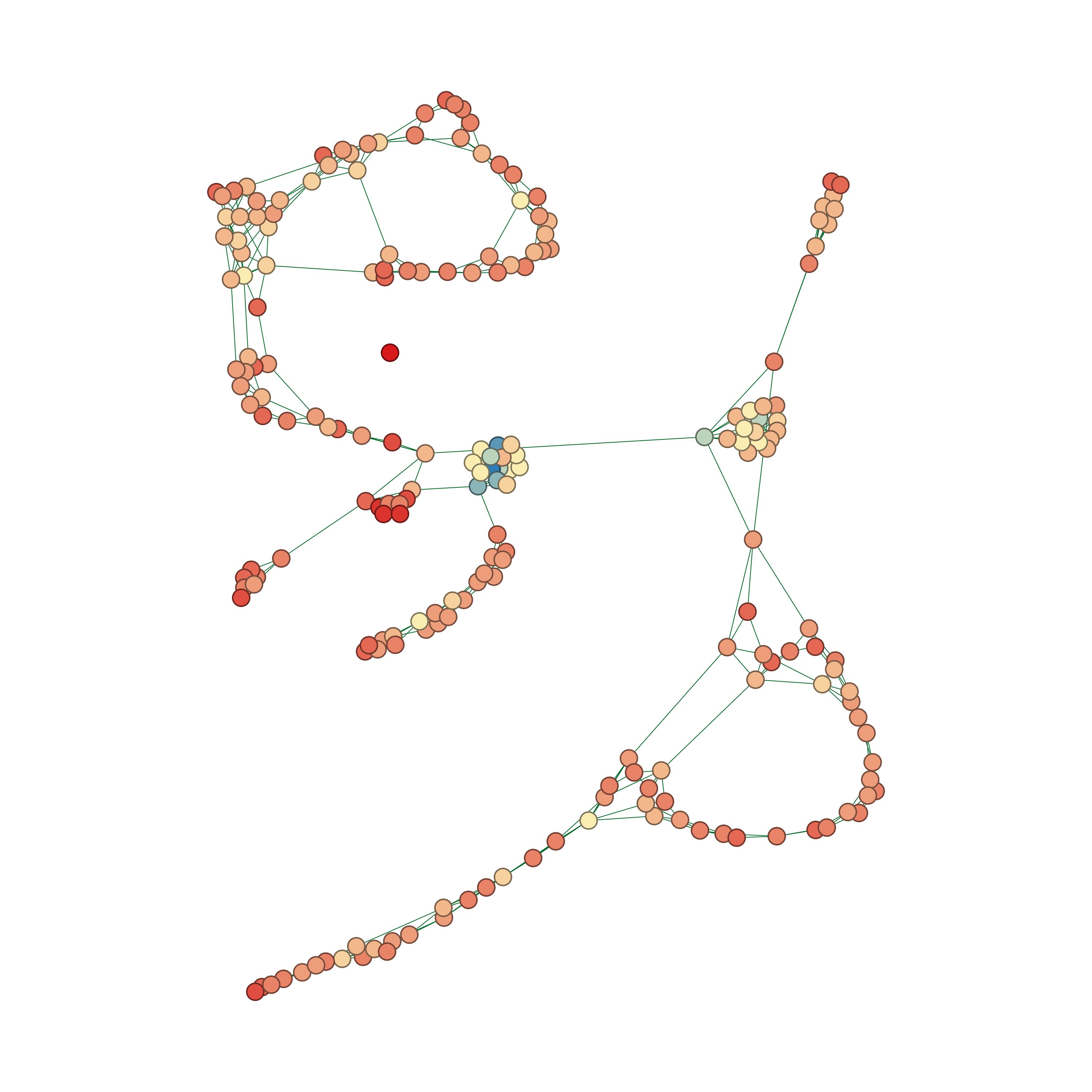
Study on Attraction No. 2 — Angle
-
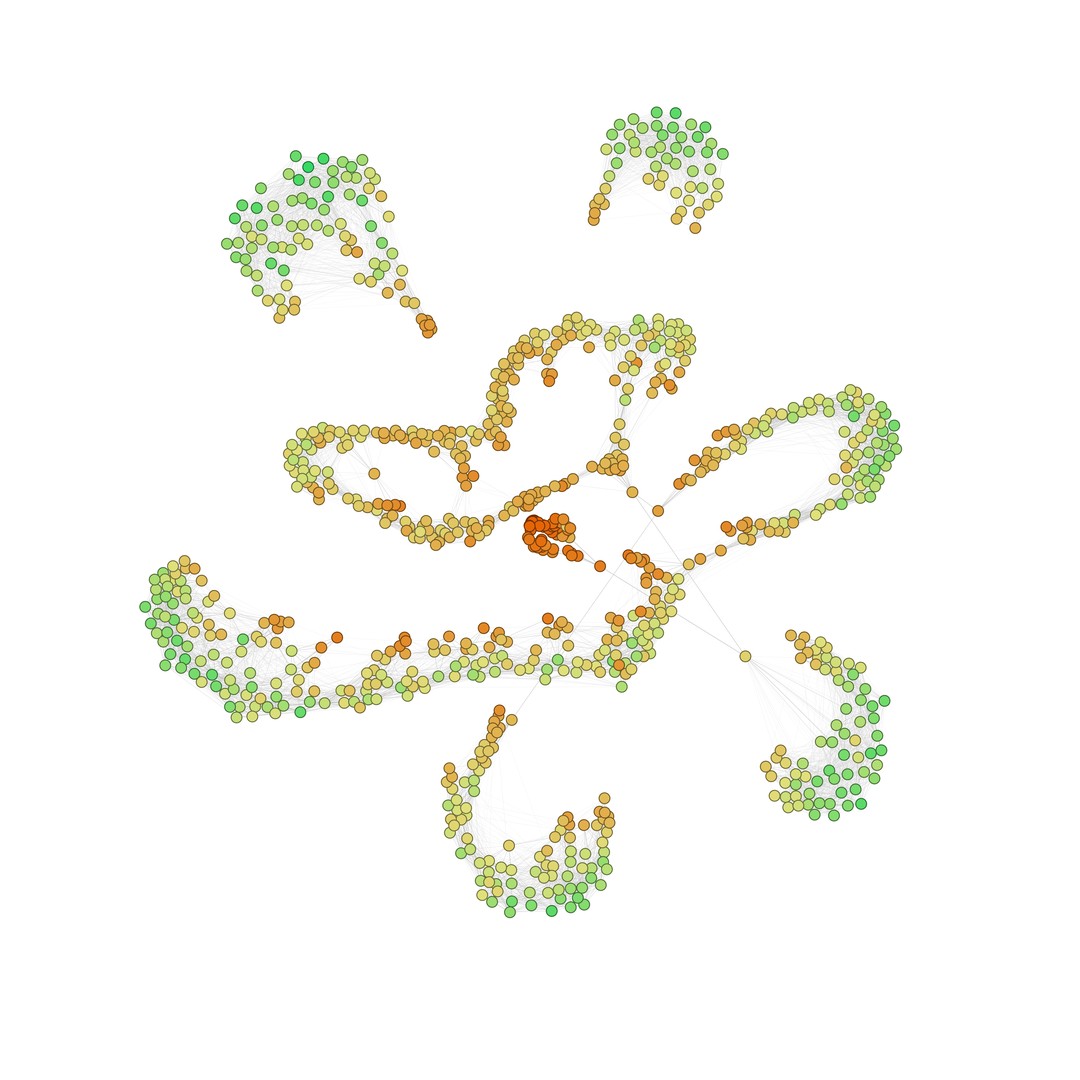
Study on Attraction No. 1 — Shape
-
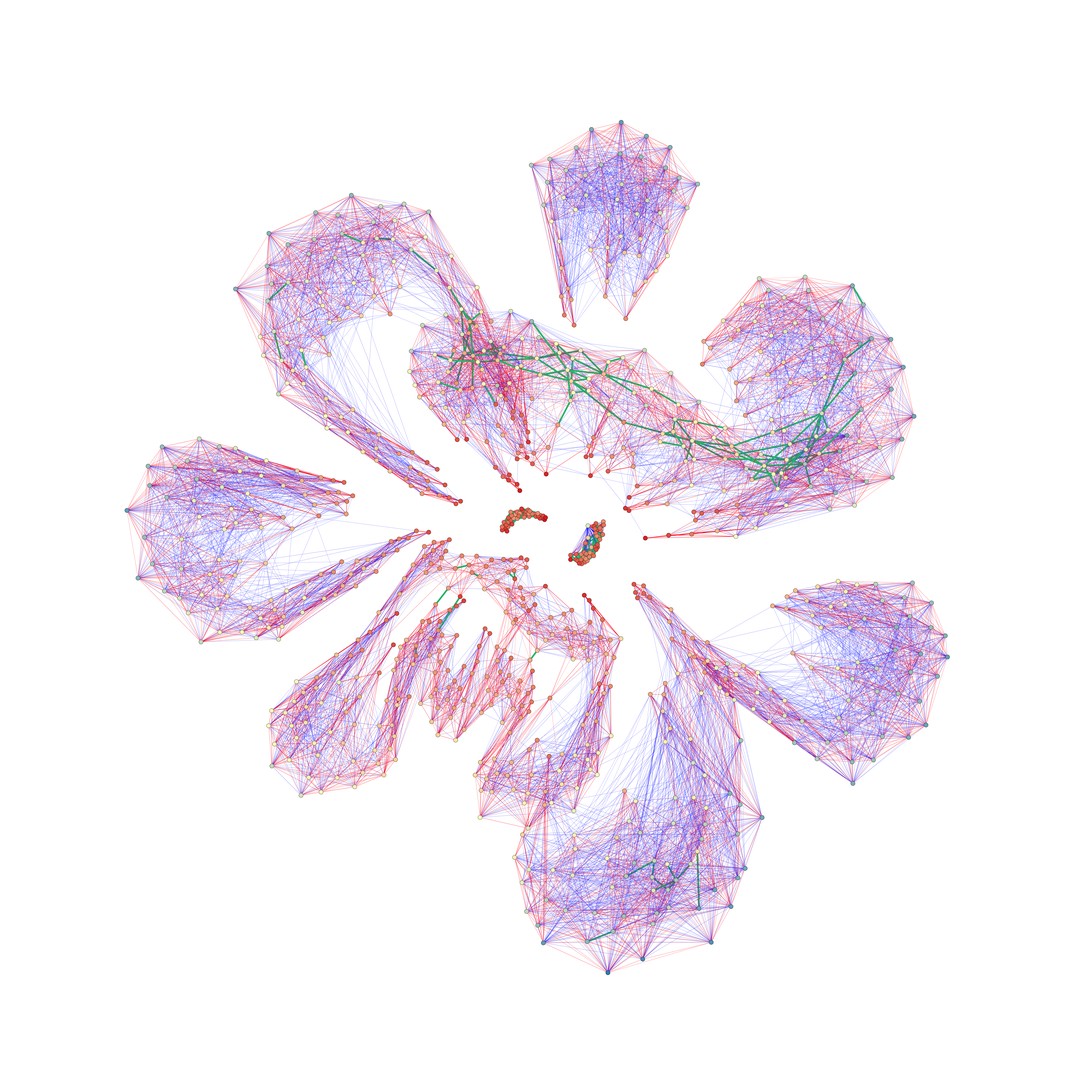
Study on Attraction No. 3 — Shape and Error
-
Study on Attraction No. 4 — Angle and Error
