Study on Attraction No. 1 — Shape
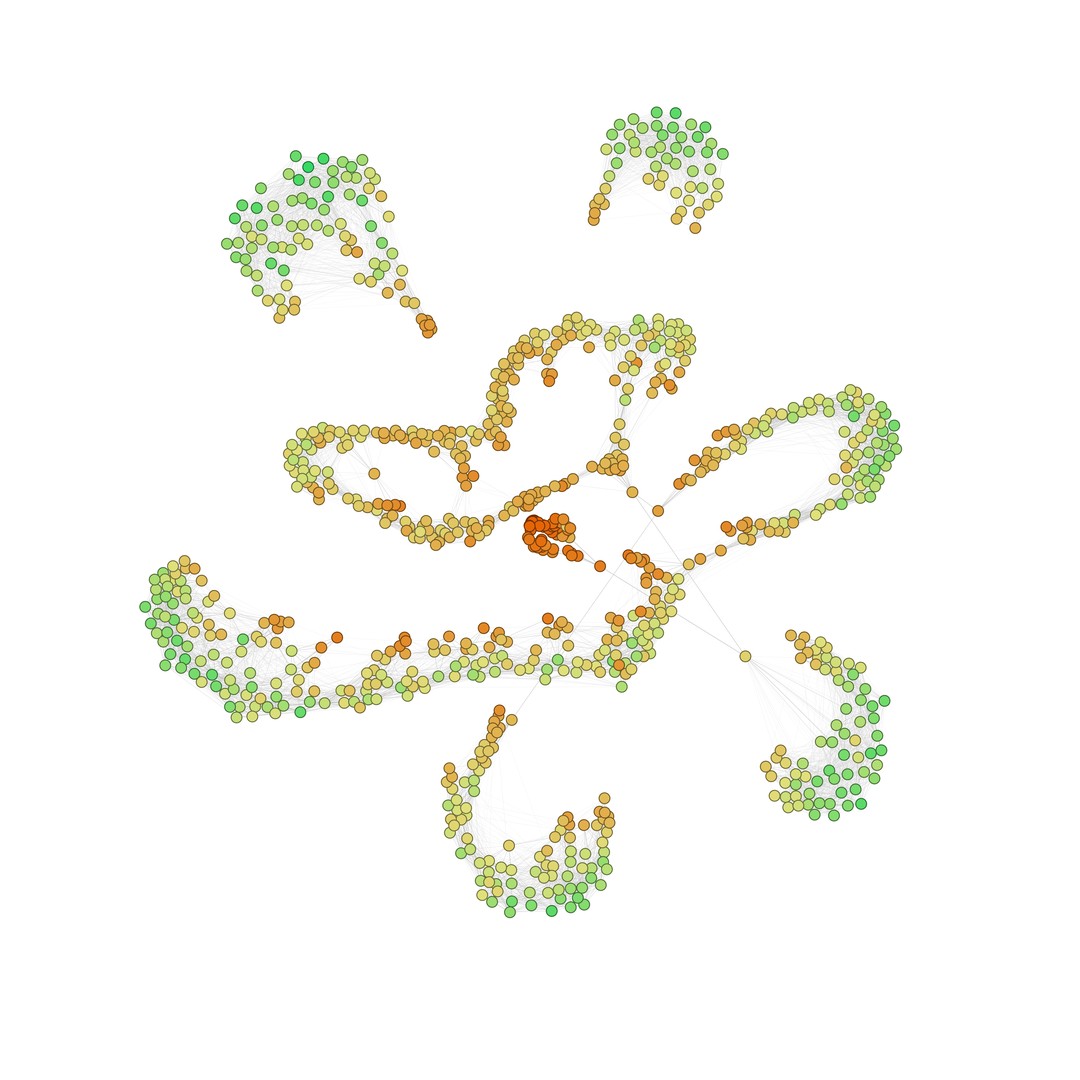
We are not observing matter. We are observing the relations that matter makes possible.
This graph doesn't depict movement.
It depicts presence.
Every molecule is made of atoms. Each occupies a precise point in space, and each point exists in relation to the others. When two atoms are close enough, a contact is born. It isn't just a distance: it's a possibility of form.
But a molecule is not simply the sum of its atoms. It is the set of relations that hold them close, the invisible architecture that allows matter to exist as a recognisable shape.
This graph doesn't try to represent all those contacts.
It asks which ones are indispensable.
Which relations truly sustain the structure's balance. Which would remain even if everything else were removed. Which parts of the matter seem to belong to one another — not because joined by an obvious bond, but because they keep telling their story through each other.
Each edge represents a statistical dependency between these proximities. It doesn't describe a chemical bond, but a relation that emerges from observation. A way of reading matter not for what it is, but for how its parts seem to sustain one another.
The molecules involved in this phase are covered in the Method.
Not all these relations carry the same degree of certainty. For some, they emerge directly from experimental data. For others, they are estimated from the structure, introducing an openly declared margin of noise. The uncertainty isn't hidden: it's an integral part of the process of knowing.
This graph doesn't claim to definitively describe matter.
It tries instead to come closer to what, within matter itself, keeps escaping.
Because every inquiry begins this way.
Observing relations we still don't know how to name.
The works
-
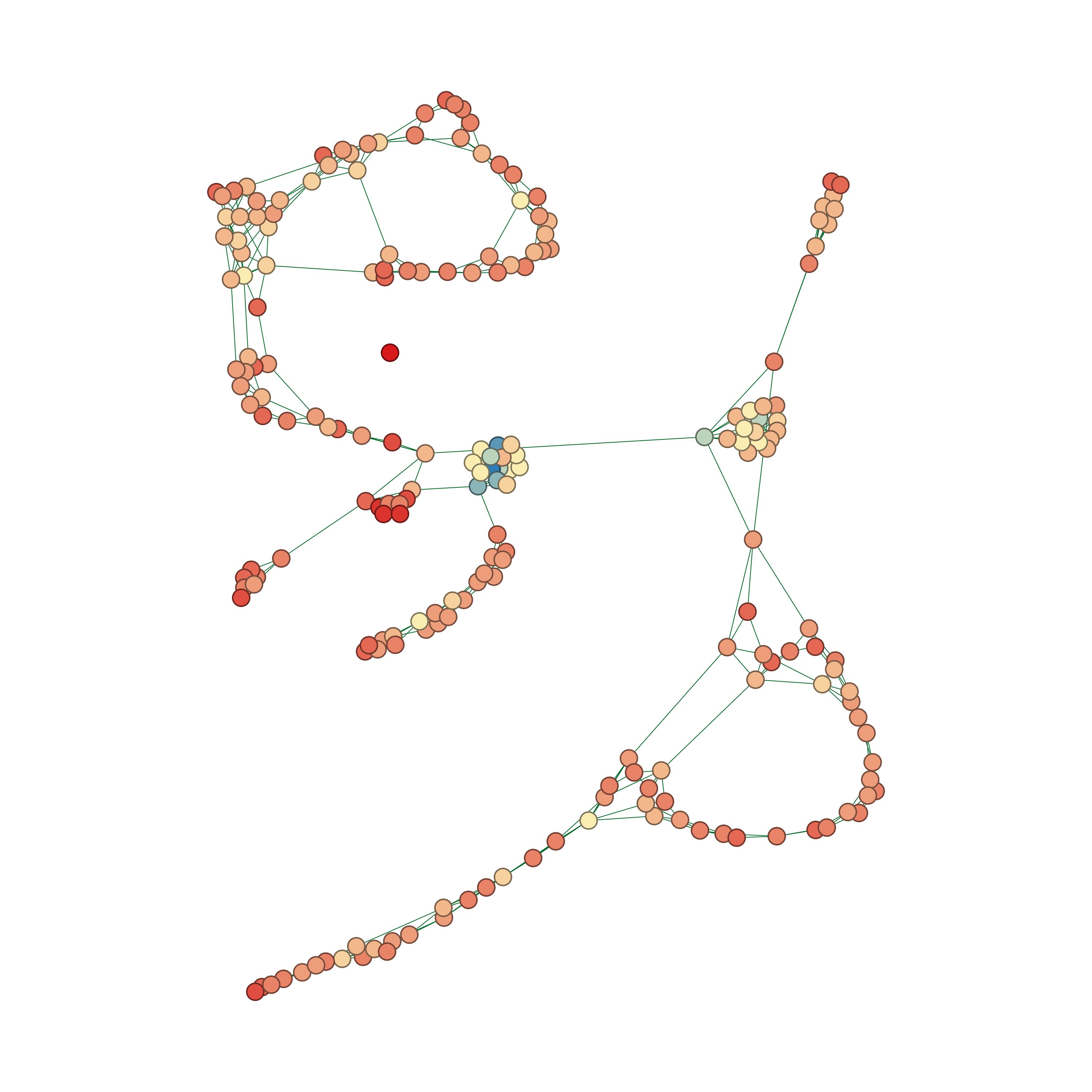
Study on Attraction No. 2 — Angle
-
Study on Attraction No. 1 — Shape
-
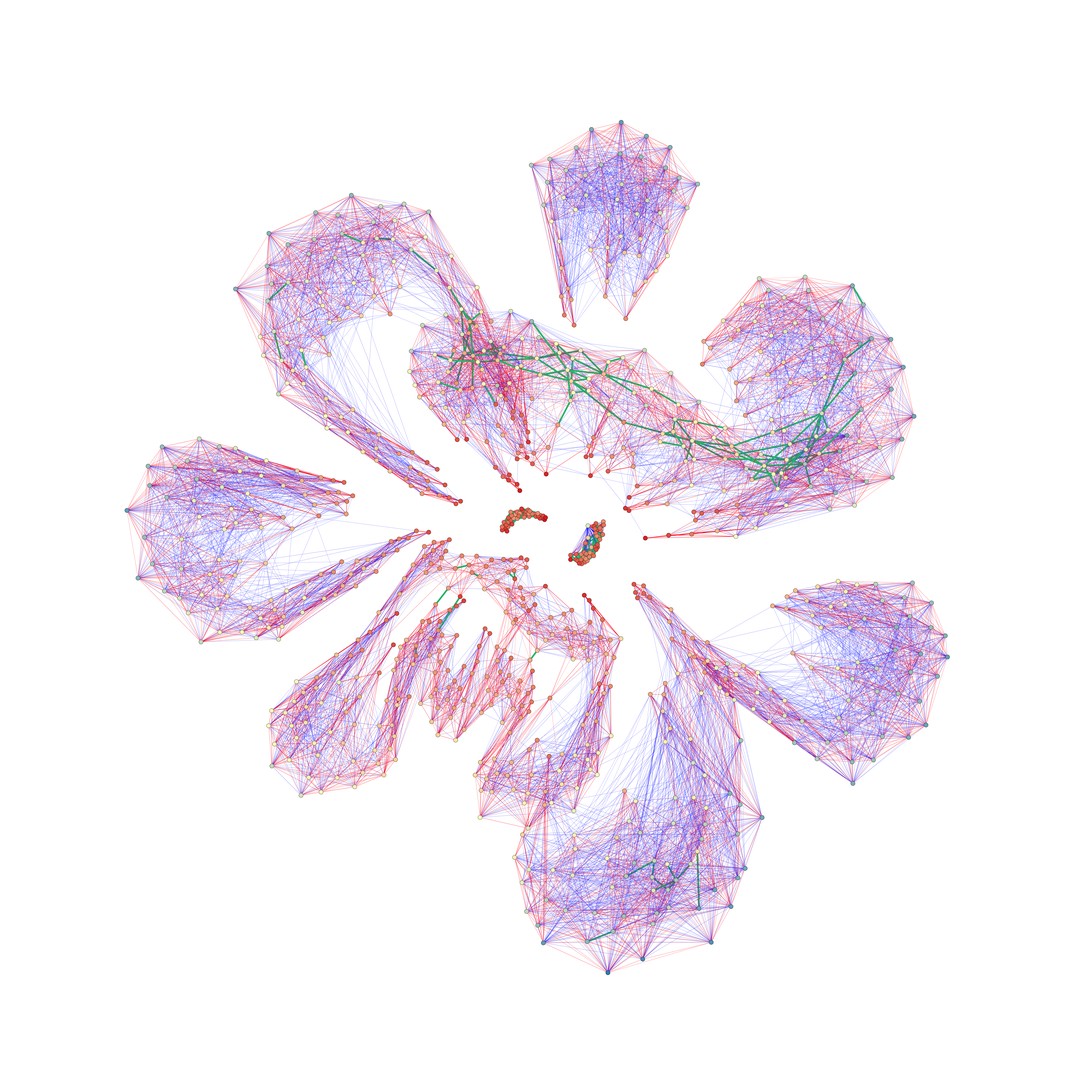
Study on Attraction No. 3 — Shape and Error
-
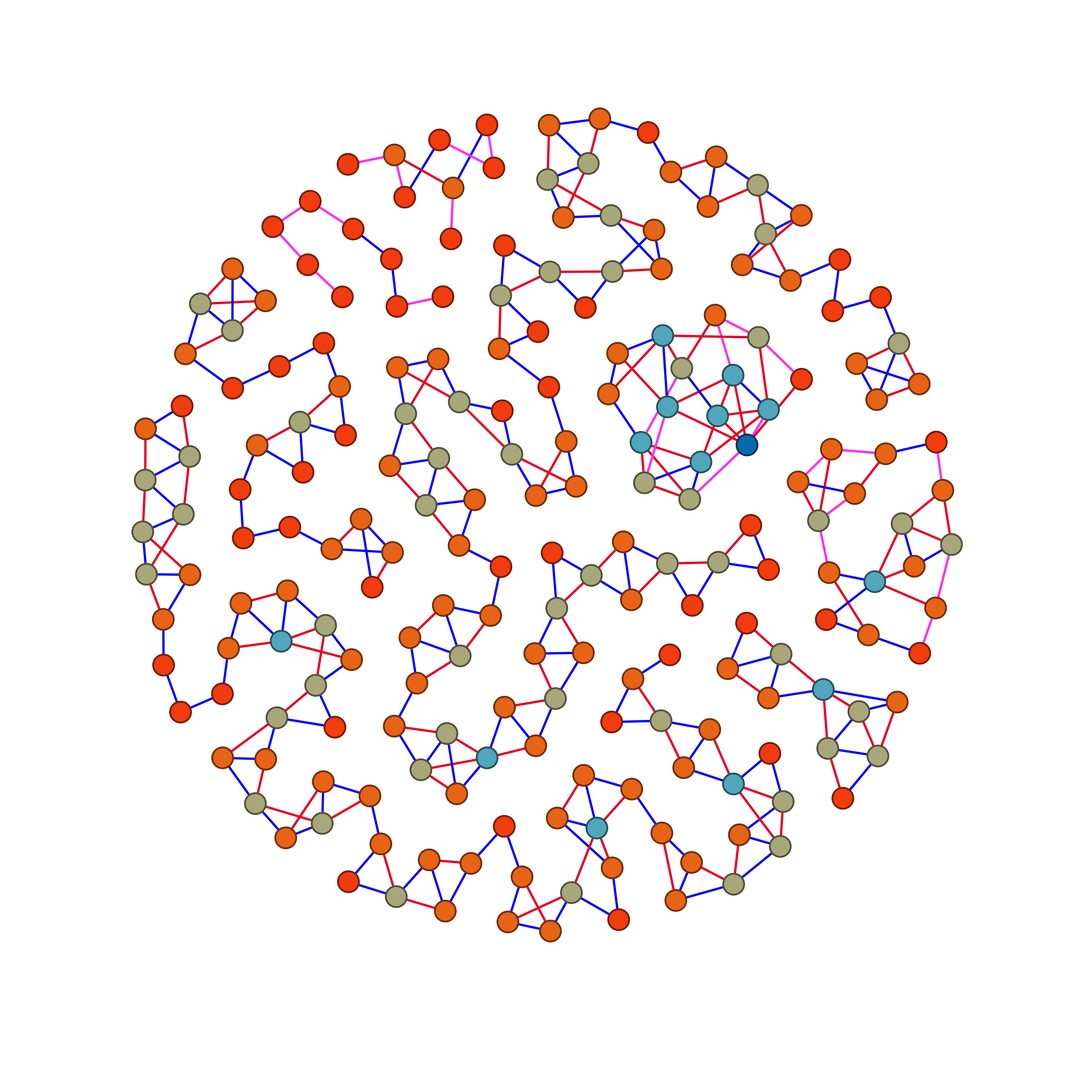
Study on Attraction No. 4 — Angle and Error
